
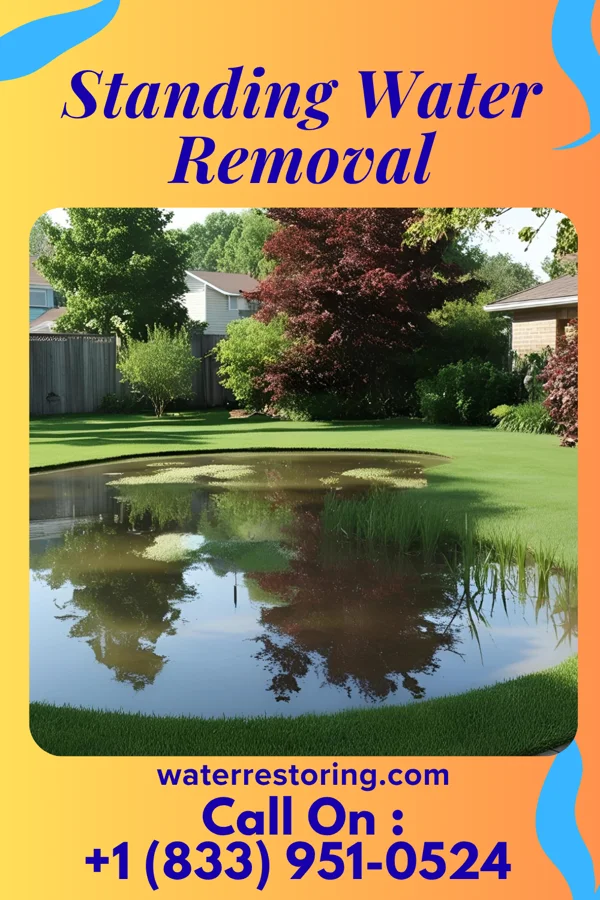
Standing Water Risks in West Slope
Property owners across West Slope call certified water damage restoration when In West Slope, Oregon, the primary water damage cause is often due to heavy rainfall and saturated ground from the nearby Raleigh Hills, leading to basement flooding and foundation issues. Additionally, the region's proximity to the Willamette River increases the risk of water intrusion during storm events.. A close second is Secondary causes include plumbing leaks from aging infrastructure in rural areas, as well as issues from nearby agricultural irrigation systems. Stormwater runoff from the surrounding hills can also lead to localized water accumulation in low-lying neighborhoods..
West Slope's climate, characterized by frequent rainfall and high humidity, creates a persistent risk of water damage. The area's rural setting and proximity to natural water sources mean that water intrusion is not only common but often severe and sudden.
West Slope's climate, characterized by frequent rainfall and high humidity, creates a persistent risk of water damage. The area's rural setting and proximity to natural water sources mean that water intrusion is not only common but often severe and sudden. The dominant local driver is In West Slope, Oregon, the primary water damage cause is often due to heavy rainfall and saturated ground from the nearby Raleigh Hills, leading to basement flooding and foundation issues. Additionally, the region's proximity to the Willamette River increases the risk of water intrusion during storm events., with Secondary causes include plumbing leaks from aging infrastructure in rural areas, as well as issues from nearby agricultural irrigation systems. Stormwater runoff from the surrounding hills can also lead to localized water accumulation in low-lying neighborhoods. showing up as the next most common cause. Damage builds in stages. Spread. Absorption. Microbial growth. Structural compromise. Every stage you pass through adds to the final bill.